
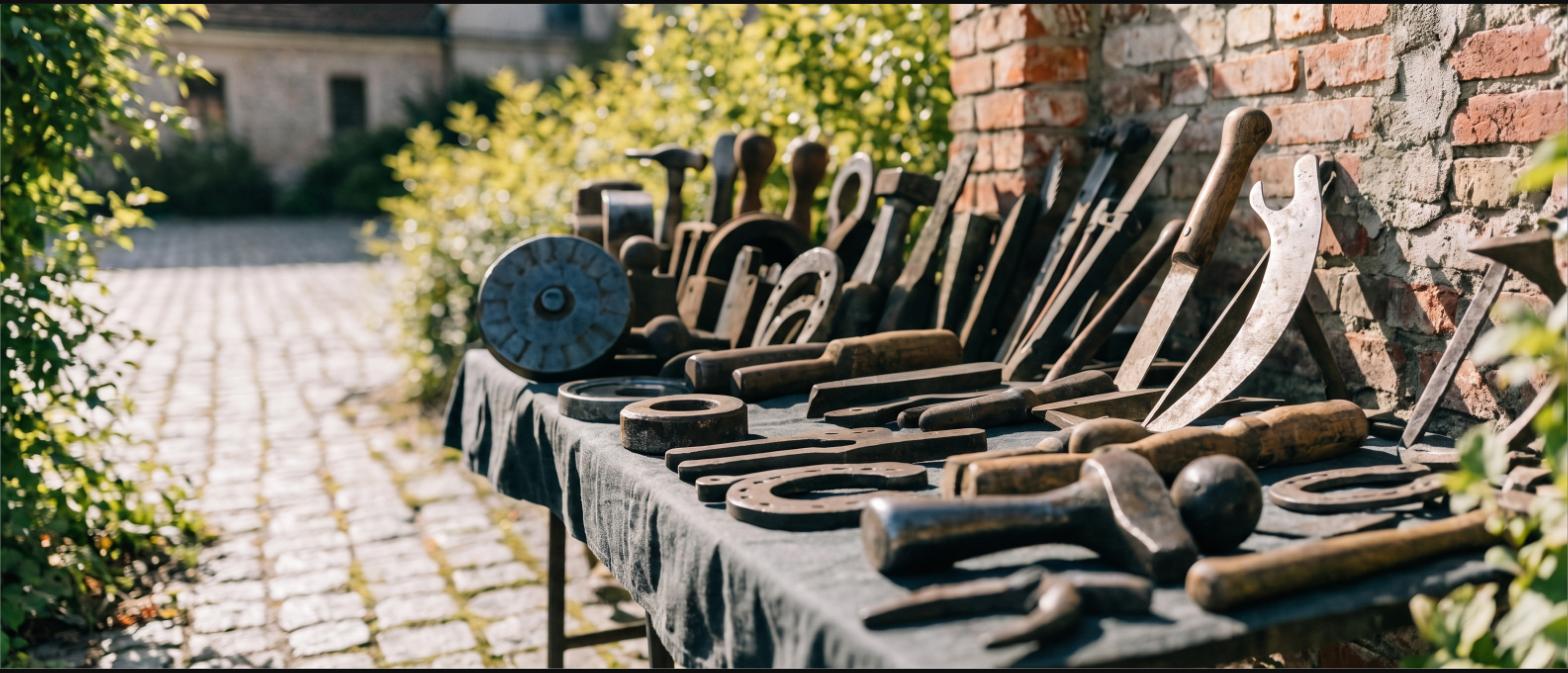
Every show has one. Somewhere past the optics and the ammo cans there is a table of old iron, and on it, a pile of axe heads at fifteen or twenty dollars apiece. Some of them are the best tool value at the whole event. Some of them are scrap with a price tag. The difference is about four minutes of looking, and it is worth learning what to look at before you are standing there with a vendor waiting on you.
Why the Old Heads Are Worth a Look
American axe manufacturing peaked a long time ago. Plenty of heads stamped by the old names were drop-forged from good high-carbon steel and given patterns that were worked out over generations for particular kinds of timber. You can still find them in a bucket for the price of a sandwich, because the handle rotted off forty years ago and nobody wanted to rehang it.
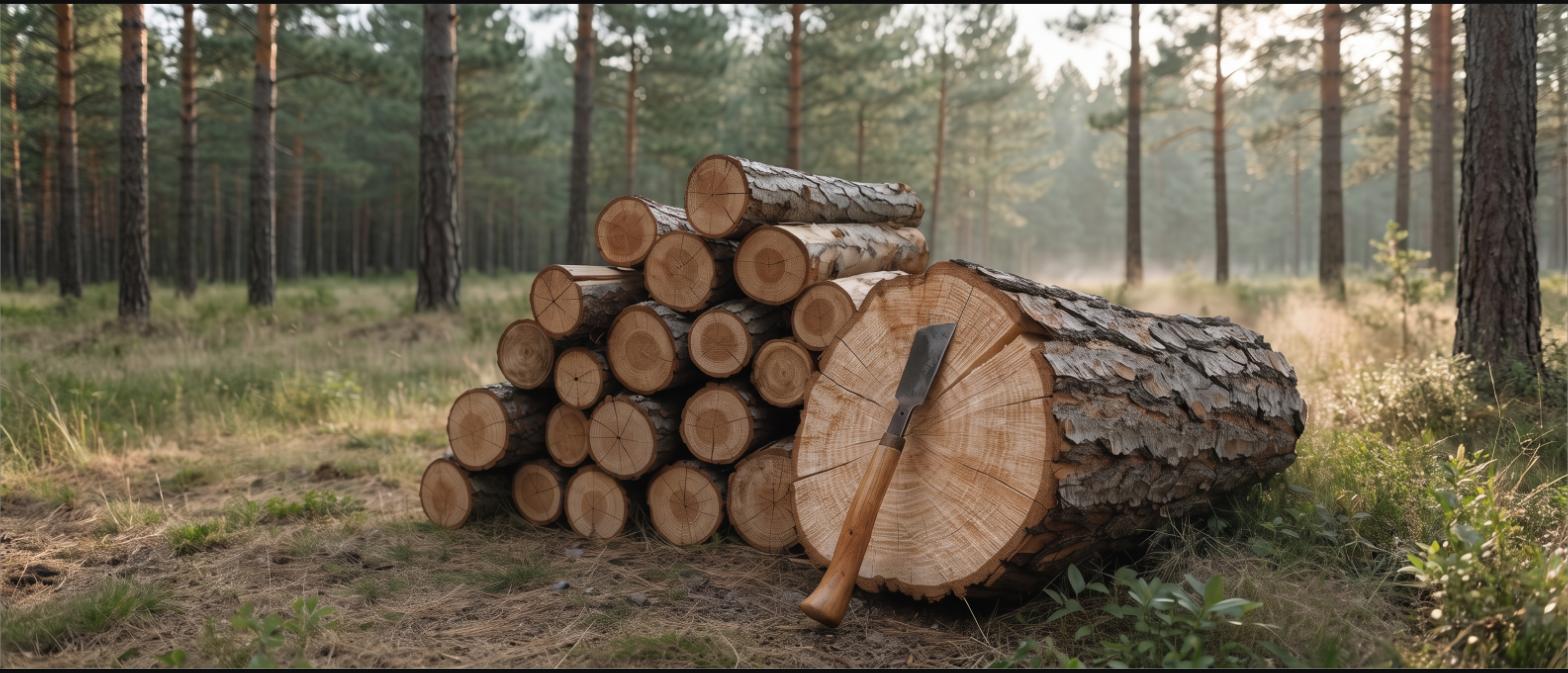
The Four-Minute Inspection
Start at the eye, the hole the handle passes through. Look for cracks running from it, and look for the eye being stretched or deformed. Either one means the head is done; walk away.
Next, check the poll, the flat back end. Mushroomed steel there means someone used it as a hammer, which is not fatal but tells you how it was treated. Then look at the bit for blue or straw colouring near the edge. That is the tell that somebody put a bench grinder to it without keeping it cool and drew the temper out. The steel will not hold an edge again no matter how you sharpen it. Finally, sight down the bit for a symmetrical grind and check for deep pitting.
None of this should put you off the tables. It just means arriving with a clear idea of what separates the best bushcraft axe designs from the also-rans, so you have something to measure against while the vendor is watching.

Watch: A Comprehensive Guide to Choosing a Survival Axe (YouTube)
Then You Have to Hang It
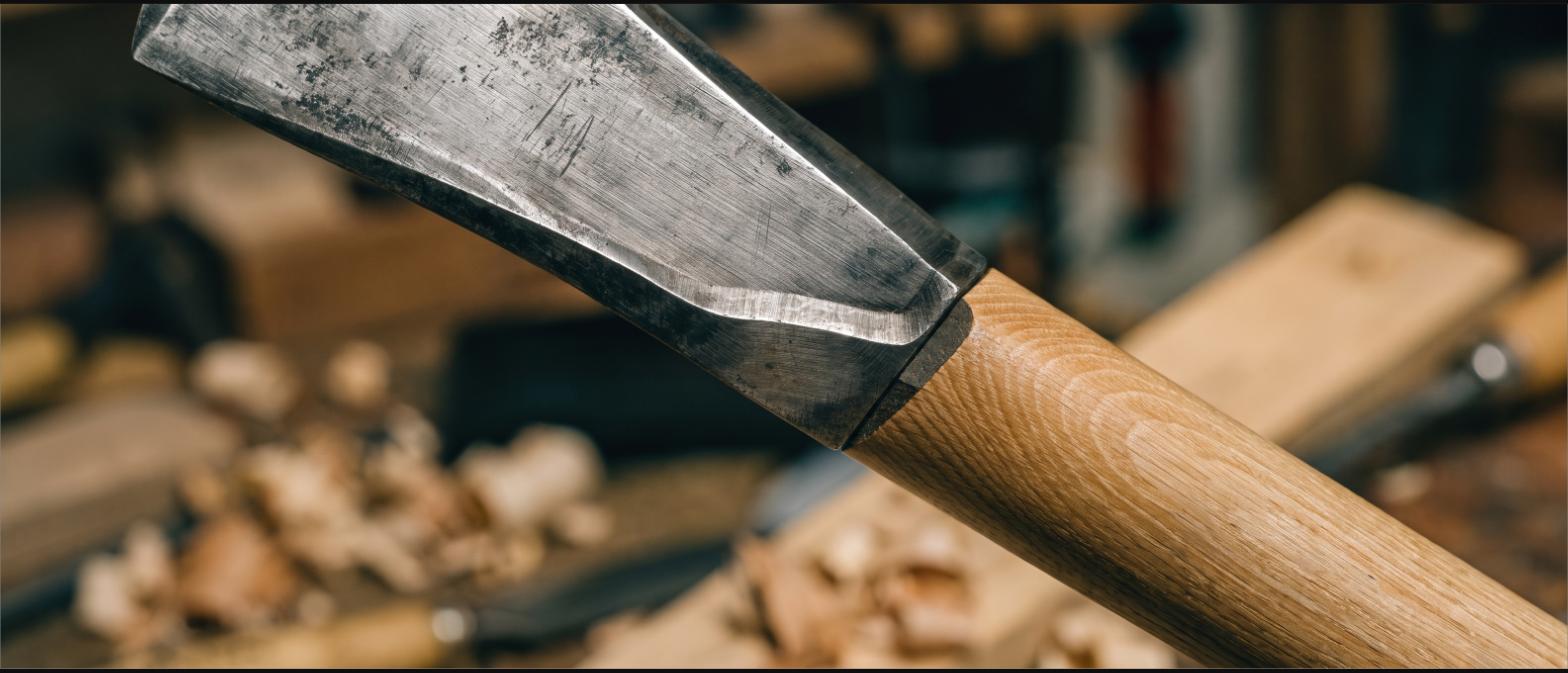
Budget for a hickory haft and an afternoon. Pick a handle with the growth rings running roughly perpendicular to the bit and as little runout as you can find, fit it patiently rather than forcing it, and set a wooden wedge before any metal one. A good head on a badly hung handle is dangerous in a way a cheap axe is not.
Worth the Detour
If you are walking a show anyway, give the tool tables ten minutes. Worst case you learn what bad steel looks like. Best case you carry home something that will outlast you for the price of lunch.